
Tax in Spain as an Expat: What You Need to Know (Before the Spanish Tax Authority Does)
IRPF, Modelo 720, wealth tax, the Beckham Law — Spanish tax as an expat is complicated. Here's a plain-English guide to what applies to you.
By Ross · Published
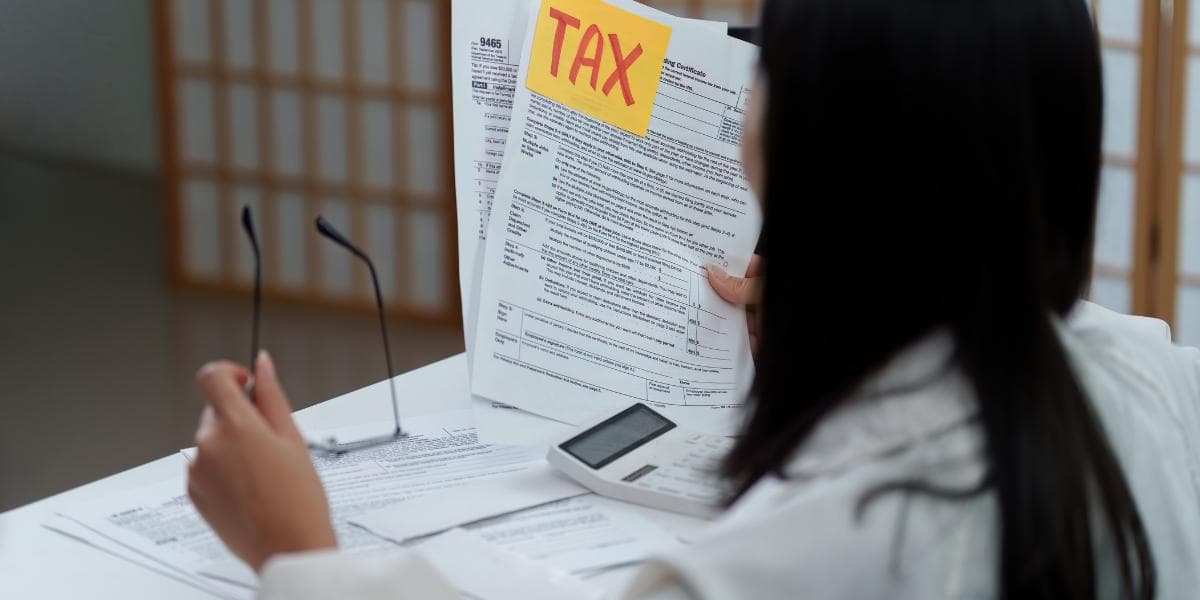
Nobody moves to Spain for the tax system. You move for the weather, the food, the pace of life, the terrifying realisation that British summers are not actually normal, and you have been tolerating grey skies and rain for far too long. The tax system is not part of the pitch.
And yet here it is. And it is, if I'm being honest with you, quite involved.
The good news is that with the right accountant and a basic understanding of what applies to you, it's entirely manageable. The bad news is that "a basic understanding of what applies to you" requires more than a quick Google search, because Spain's tax obligations for expats depend on your residency status, income sources, assets, and sometimes your home country's tax treaties with Spain. None of which you knew you needed to think about when you were packing boxes before moving.
Let's go through the main things.
Are you a tax resident in Spain?
This is the first question, because the answer changes almost everything else. Spain considers you a tax resident if any of the following apply:
- You spend more than 183 days in Spain in a calendar year
- Your main economic activity or business interests are in Spain
- Your spouse and dependent children live in Spain (even if you don't)
If you're a tax resident, Spain taxes your worldwide income. That means income from employment, rental income, investment returns, pensions, cryptocurrency, wherever in the world they originate, Spain wants to know about them and potentially tax them. If you're a non-resident, Spain only taxes income that arises in Spain, rental income from a Spanish property being the most common example.
The distinction matters enormously, and if you're not sure which category you fall into, an accountant should be the first call you make, not an afterthought once you've already been living here for a year.
IRPF — income tax for residents
IRPF (Impuesto sobre la Renta de las Personas Físicas) is Spain's income tax for residents. It's a progressive system, meaning the rate increases as income increases, and it's made up of a state rate and a regional rate, which is why the total rate varies slightly depending on which part of Spain you live in.
The annual tax return (declaración de la renta) is filed between April and June for the previous tax year. If you're employed in Spain, your employer will have been withholding tax throughout the year, and the return is largely a reconciliation. If you're autónomo or have income from multiple sources, it's more involved.
Things that affect your IRPF return as an expat include rental income from properties in Spain or abroad, investment income, pension income, and capital gains. If any of those apply to you, you want an accountant looking at your return, not just a tax filing service that processes straightforward cases.
Non-resident income tax (Modelo 210)
If you own property in Spain but don't live here full-time, you're a non-resident for tax purposes, and you still have obligations.
Spain taxes non-residents on rental income from Spanish property. If you rent your property out, you declare the income and pay tax on it. The rate for EU, EEA, and, since 2021, UK nationals is 19%. For other non-residents, it's 24%.
Here's the part that surprises people: even if you don't rent your property out, Spain imputes a notional rental income based on the rateable value (valor catastral) of the property and charges tax on that. The assumption is that by owning the property, you're benefiting from it in some form, and therefore, you owe something. Whether or not you find this philosophically satisfying, it is the law, and the deadline is 31 December of the year following the tax year in question.
Missing this filing is one of the most common tax mistakes non-resident property owners make. The penalties for late or missing declarations are not enormous, but they accumulate, and they're entirely avoidable with the right accountant.
Wealth tax (Impuesto sobre el Patrimonio)
Spain has a wealth tax. This is the thing that makes a lot of people blink when they hear it, because wealth taxes are relatively unusual, and because Spain is one of the few countries in the world that applies one to non-residents as well as residents.
If you're a resident, wealth tax applies to your worldwide assets above a threshold (there's a general exemption of €700,000 plus an additional exemption for your primary residence). If you're a non-resident, it applies to your Spanish assets above the threshold.
Rates and exemptions vary by region — some autonomous communities have effectively zeroed out their regional wealth tax, which affects the total amount owed. Andalusia, for example, made significant changes to its wealth tax in recent years. This is another area where a good accountant earns their fee.
Modelo 720 — the overseas assets declaration
If you're a tax resident in Spain and you have assets outside the country worth more than €50,000 in any category (bank accounts, investments, or real estate), you must declare them using Modelo 720.
This is a reporting obligation rather than a tax. You're not paying tax on the assets by declaring them. You're telling the Spanish tax authority they exist. The filing window is January to March for the previous year's position.
The penalty regime for Modelo 720 was historically extremely severe, and while the European Court of Justice ruled against the most disproportionate penalties in 2022, the obligation to file remains and late or incorrect filings still carry meaningful penalties. If you have significant assets outside Spain, make absolutely sure you have an accountant who is on top of this. It is not one to miss.
The Beckham Law — a useful option if it applies to you
If you've recently moved to Spain for work and you were not a Spanish tax resident in the five years before your arrival, you may be eligible for the Beckham Law (formally the Special Expat Tax Regime). Named after its most famous beneficiary, it allows qualifying individuals to be taxed as non-residents for up to six years, meaning they pay a flat 24% rate on Spanish income rather than the progressive resident rates, and only on Spanish-source income rather than worldwide income.
It's a significant potential saving for higher earners, but the eligibility criteria are specific, the application window is narrow (you must apply within six months of starting work in Spain), and getting the advice early is essential. If you think you might qualify, talk to an accountant before you do anything else.
Double taxation — don't pay twice
Spain has double taxation treaties with the UK, Ireland, and most other countries where its expat population originates. These treaties exist to prevent you from paying full tax on the same income in both countries.
In practice, the application of these treaties depends on your specific circumstances — what type of income it is, where it's sourced, and how each country's rules apply. Pensions are a particularly common area of confusion, as the tax treatment of UK state pensions and private pensions in Spain is not always what people expect.
If you have income sources in more than one country, an accountant who understands both Spanish tax law and the relevant treaty is not optional. It's the difference between paying the right amount and paying too much. Or, potentially, too little, which creates its own problems.
When should you get an accountant?
Before your first full tax year as a Spanish resident ends. Not after.
The decisions you make in your first year — how you structure your income, whether you apply for the Beckham Law, how you report overseas assets — can have lasting consequences. An accountant who knows your situation from the start can advise you properly. One brought in to fix problems after the fact can only do so much.
Finding one who speaks genuinely fluent English, understands the specific situations expats face, and is up to date on the current rules is the important part. Your Mate Pat's directory of English-speaking accountants in Spain lists professionals across the country — browse by region to find one near you.